How to Choose and Buy Shipping Containers for Business Use Safely
When businesses need secure, versatile storage or workspace solutions, learning how to buy shipping containers for business use safely becomes essential for making smart investments. These steel giants offer exceptional durability, security, and adaptability for everything from inventory storage to mobile offices, but choosing the right container requires understanding key factors that impact safety, functionality, and compliance.
Key Takeaways
- Container condition grades affect safety and price - new, cargo-worthy, and wind-watertight classifications determine structural integrity and appropriate business applications
- Thorough inspections prevent costly problems - check structural integrity, doors, flooring, and contamination before purchase to protect your investment
- Local regulations vary significantly - research zoning laws, building codes, and permit requirements specific to your location and intended use
- Security planning protects valuable assets - evaluate lock systems, placement location, and environmental factors for optimal protection
- Total ownership costs matter most - factor purchase price, modifications, maintenance, and insurance into your budget planning
- Proper documentation maintains legal compliance - keep CSC certificates, inspection records, and permits for legal operation and resale value
Understanding Container Types and Classifications
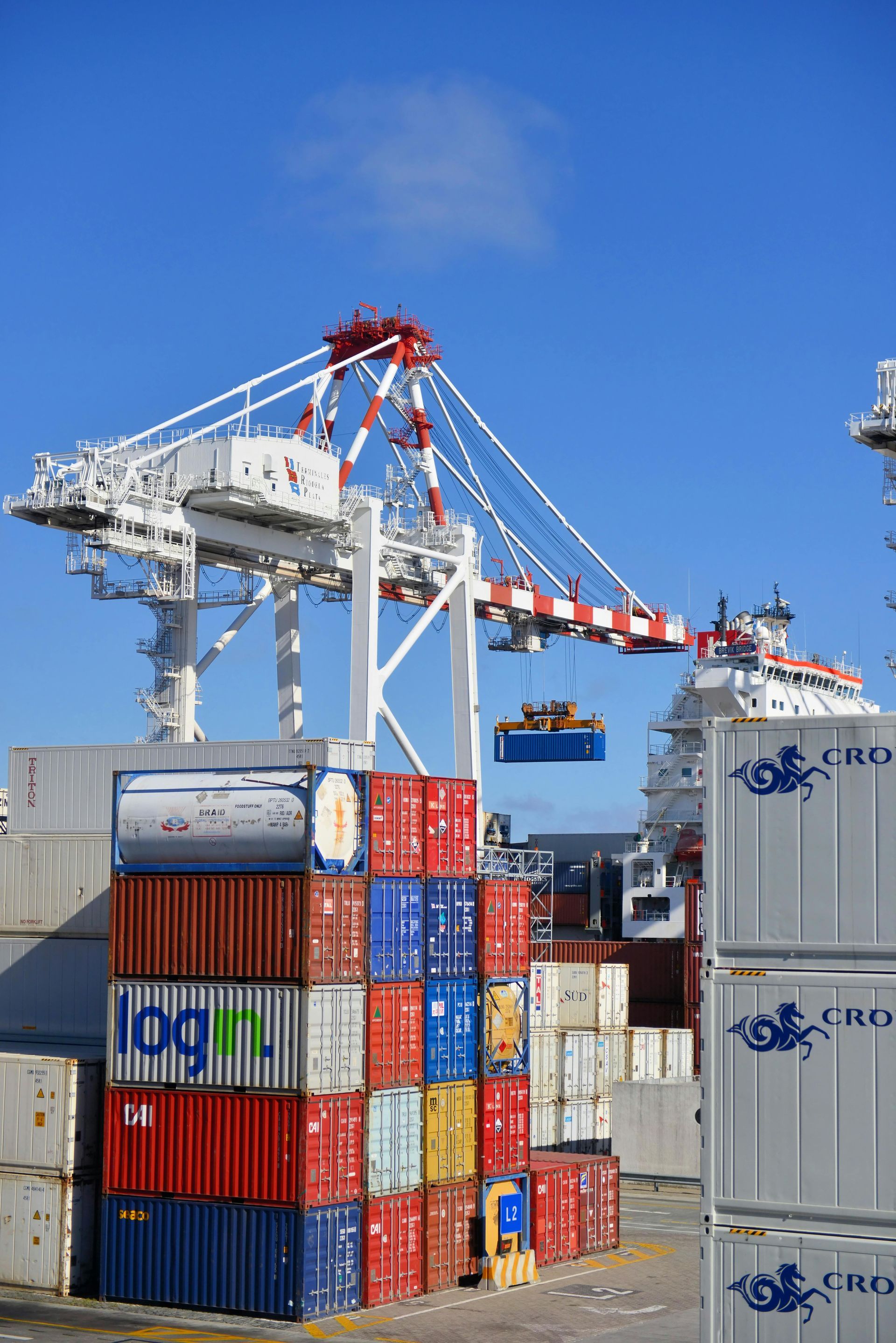
The foundation of safely buying shipping containers for business use starts with understanding the various types and condition classifications available in the market. Standard containers come in common sizes, including 20-foot and 40-foot options, with high cube variants offering additional height for bulky storage needs.
Container condition classifications follow industry-standard grading systems:
- One-trip containers maintain pristine condition with minimal wear, typically costing $2,500 to $5,000 for 20-foot units according to current market data
- Cargo-worthy containers show some weathering but maintain watertight seals and safety standards, generally priced between $500 to $4,000 depending on age and condition
- Wind and watertight containers offer excellent storage capabilities with visible wear, providing cost-effective solutions typically priced between $500 to $3,000
Understanding specialized container types expands business possibilities. Refrigerated units support temperature-sensitive inventory, while open-top containers accommodate oversized equipment. High cube containers provide additional vertical space, particularly valuable for businesses storing tall equipment or requiring comfortable workspace conversions.
Essential Safety Inspection Guidelines
Conducting thorough safety inspections protects businesses from structural failures, contamination risks, and regulatory violations when you buy a shipping container for business use. A systematic inspection approach examines multiple critical areas that impact both immediate safety and long-term reliability.
Structural integrity assessment forms the foundation of container safety evaluation:
- Examine corner posts and roof beams for cracks, significant dents, or welding damage that could compromise load-bearing capacity
- Check floor conditions for rot, holes, or weakness that might collapse under weight or allow moisture penetration
- Inspect door hinges, seals, and locking mechanisms to ensure secure closure and weather protection
- Verify that twist locks and corner castings remain intact for safe lifting and stacking operations
Environmental and contamination checks protect business operations and worker health:
- Review container history to identify previous cargo types, particularly hazardous materials that might require special handling
- Check for chemical odors, staining, or residue that could contaminate stored goods or create health hazards
- Examine ventilation systems to ensure adequate airflow for intended business use
- Verify pest control measures and inspect for signs of infestations that could spread to business facilities
Professional inspections provide additional protection for significant investments. Certified inspectors can identify subtle structural issues that untrained observers might miss, while providing documentation that supports insurance claims and regulatory compliance. Many reputable suppliers include inspection services or provide detailed condition reports that support informed purchasing decisions.
Regulatory Requirements and Compliance Considerations
Successfully navigating regulatory requirements when you buy a shipping container for business use requires understanding multiple layers of legal compliance that vary by location and intended use. Federal, state, and local regulations all influence container placement and modification, making research essential before finalizing purchases.
Zoning and placement regulations significantly impact container utility:
Local zoning laws determine where containers can be placed on commercial and residential properties. Many municipalities classify containers as temporary or permanent structures, with different requirements for each category. Business districts often have specific guidelines regarding container visibility, setback requirements, and duration of placement that affect operational flexibility.
Building codes become relevant when containers serve as workspaces, offices, or modified structures. Fire safety requirements, electrical installations, and ventilation standards must meet local codes, particularly for occupied spaces. Professional consultation helps ensure compliance while avoiding costly retrofitting after installation.
Documentation and certification requirements protect legal operation:
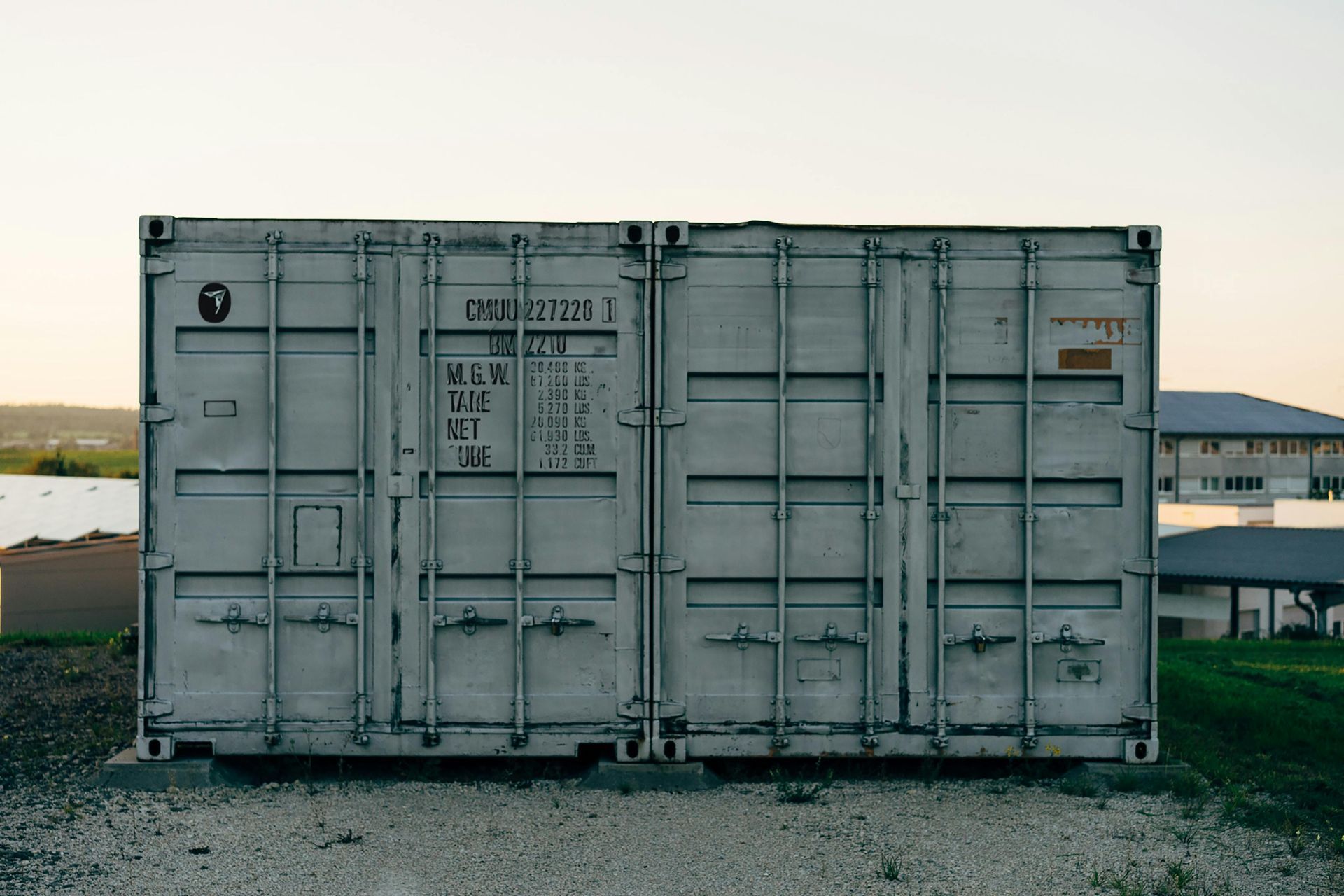
Container Safety Convention (CSC) plates verify international shipping compliance for containers intended for goods transportation. These certifications ensure structural integrity meets global safety standards, protecting businesses from liability issues during shipping operations. Regular inspections and renewals maintain certification validity.
Permit requirements vary widely based on container use and location. Temporary storage may require minimal permitting, while permanent installations or modifications often need comprehensive approval processes. Early permit applications prevent project delays and ensure legal operation from day one.
Security Features and Protection Strategies
Implementing robust security measures protects valuable business assets when you buy shipping containers for business use. This requires an evaluation of both physical security features and strategic placement considerations. Container security combines built-in protection with additional measures that deter theft and unauthorized access.
Physical security features provide the foundation for asset protection:
High-quality lock systems include lockboxes that protect padlocks from tampering and cutting attempts. Heavy-duty padlocks resistant to bolt cutters offer additional protection, while multiple locking points distribute security across the entire door system. Some containers feature advanced locking mechanisms with built-in security enhancements.
Modification options enhance security based on specific business needs. Additional entry points with security doors provide operational flexibility while maintaining protection. Window installations can include security bars or alarm systems, while ventilation improvements support comfortable working environments without compromising security.
Strategic placement and environmental considerations maximize protection effectiveness:
Container positioning affects security significantly. Well-lit areas with good visibility deter criminal activity, while isolated locations increase theft risks. Proximity to security cameras, foot traffic, or staffed areas provides natural surveillance that enhances protection without additional costs.
Environmental factors impact both security and structural integrity. Proper drainage prevents moisture damage that could weaken the container structure over time. Foundation placement protects against ground moisture while ensuring level installation that maintains door operation and structural stability.
Technology integration expands security capabilities through alarm systems, motion detectors, and GPS tracking devices. These systems provide real-time monitoring and rapid response capabilities, particularly valuable for containers storing high-value inventory or sensitive business materials. Security feature costs vary widely based on quality, installation requirements, and local market conditions.
Cost Analysis and Financial Planning
Developing comprehensive financial planning when you buy a shipping container for business use requires understanding both immediate purchase costs and long-term ownership expenses that impact total investment returns.
Purchase price variables significantly impact budget planning:
- Container condition directly influences initial investment, with new units commanding premium prices but offering maximum longevity and minimal maintenance requirements
- Size considerations affect both purchase price and utility - 40-foot containers typically cost 30-50% more than 20-foot units but provide double the storage capacity
- High cube options add minimal cost while significantly expanding vertical storage possibilities for taller equipment or workspace conversions
Ongoing ownership costs influence total investment calculations:
Maintenance expenses vary based on container age, condition, and usage patterns. Regular inspections, minor repairs, and protective treatments help preserve container value while preventing major structural issues. Businesses should budget for periodic maintenance costs as part of their ownership planning.
Modification costs depend on intended use and required features:
- Basic insulation installations range from $1,500 to $3,000 for standard containers
- Basic structural modifications like windows and doors typically cost $500 to $3,000
- Electrical systems for basic office setups can cost $1,600 to $3,800
- Comprehensive office conversions may require investments of several thousand to over $10,000
- Planning modifications during purchase negotiations often provides cost savings compared to later retrofitting
Insurance protection typically costs 0.5-2% of container value annually but provides essential protection against theft, damage, and liability issues. Some business insurance policies may cover containers as business property, potentially reducing separate insurance requirements.
Vendor Selection and Purchase Process
Choosing reputable vendors ensures safe, reliable transactions when you buy shipping containers for business use, requiring evaluation of supplier credentials, service offerings, and support capabilities.
Vendor evaluation criteria protect against purchasing risks:
- Established suppliers with proven track records provide greater reliability and accountability than new or unknown vendors
- Industry certifications and customer references offer insights into vendor reliability and customer satisfaction levels
- Inventory transparency demonstrates professionalism through detailed container descriptions, multiple photographs, and honest condition assessments
- Inspection opportunities and detailed documentation support informed decision-making
Service offerings enhance purchase value and convenience:
Delivery services eliminate transportation challenges while ensuring proper container placement through experienced operators using appropriate equipment. Professional delivery includes positioning assistance and basic setup guidance that prevents common installation mistakes.
Customization capabilities allow vendors to prepare containers according to business specifications before delivery. Pre-delivery modifications often cost less than post-delivery changes while ensuring containers arrive ready for immediate use.
Warranty coverage provides protection against hidden defects or misrepresented conditions. Reputable suppliers stand behind their products with reasonable warranty terms that demonstrate confidence in container quality and vendor reliability.
Frequently Asked Questions
What safety certifications should I look for when purchasing a business shipping container?
Look for CSC (Container Safety Convention) certificates that verify the container meets international shipping safety standards. These certifications ensure structural integrity and legal compliance for business operations.
How do I determine if a used shipping container is safe for business use?
Conduct a thorough walk-around inspection to check for obvious dents, structural damage, rust, or contamination signs. Professional inspections provide additional assurance for significant business investments.
What permits do I need before placing a shipping container on business property?
Most cities require permits for permanent container installation, with requirements varying based on zoning laws and intended use. Contact local planning departments early to understand specific requirements for your location and application.
Are there restrictions on using shipping containers for business operations?
Local zoning codes determine where containers can be placed, while building codes govern containers used as workspaces or offices. Research local regulations before purchase to ensure compliance with area restrictions.
How much should I budget for container modifications and setup costs?
Basic insulation typically costs $1,500-3,000, while structural modifications range from $500-3,000. Comprehensive office conversions can require investments of several thousand to over $10,000, depending on complexity and features required.
Final Thoughts
To successfully learn how to buy shipping containers for business use safely, you should balance immediate operational needs with long-term strategic planning to ensure that your investment delivers maximum value while protecting business interests. By understanding container classifications, conducting thorough inspections, navigating regulatory requirements, and implementing appropriate security measures, you can confidently select containers that serve your business’s unique operational requirements while maintaining safety and compliance standards for years to come.
Ready to find the perfect container for your business? Contact Quality Storage Container today for expert guidance and competitive pricing on safe, reliable shipping containers that meet your specific operational needs.
Reference:
https://www.imo.org/en/About/Conventions/Pages/International-Convention-for-Safe-Containers-(CSC).aspx